Suche








Neutral
Mehr Kraft und Schnellkraft bei kurzen intensiven Belastungen
CHF 23.00


Electrolytes Pure
1 Messlöffel = 200 mg Natrium zur gezielten Supplementation
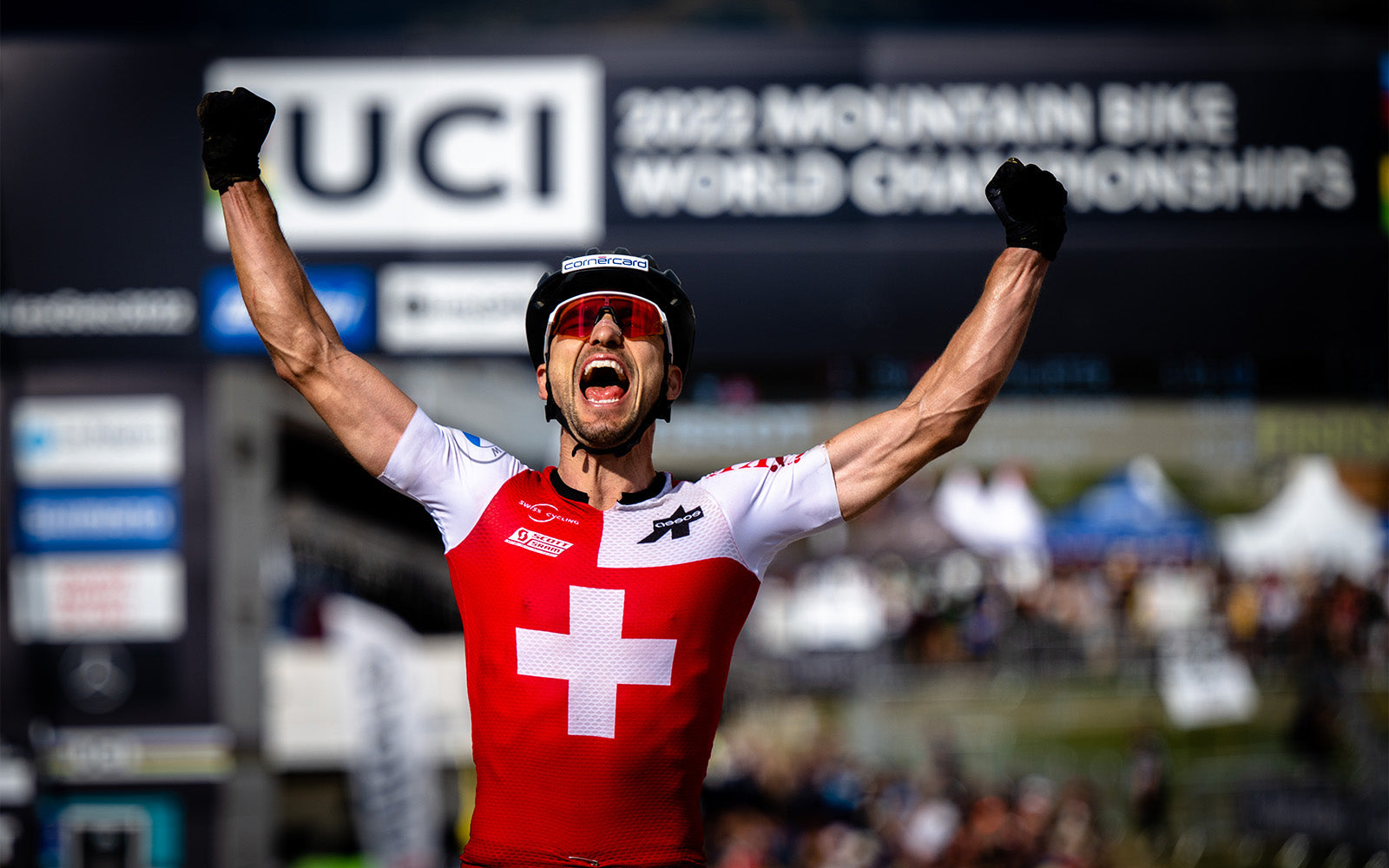
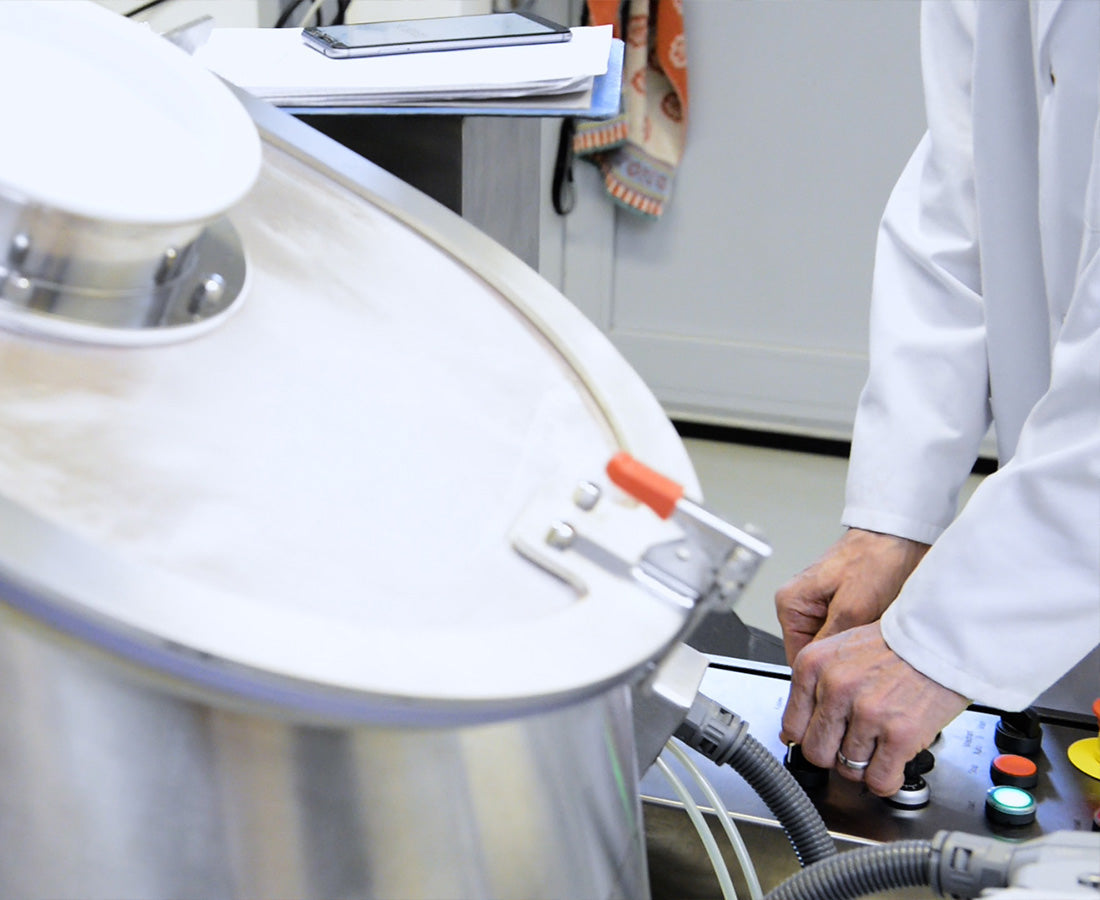
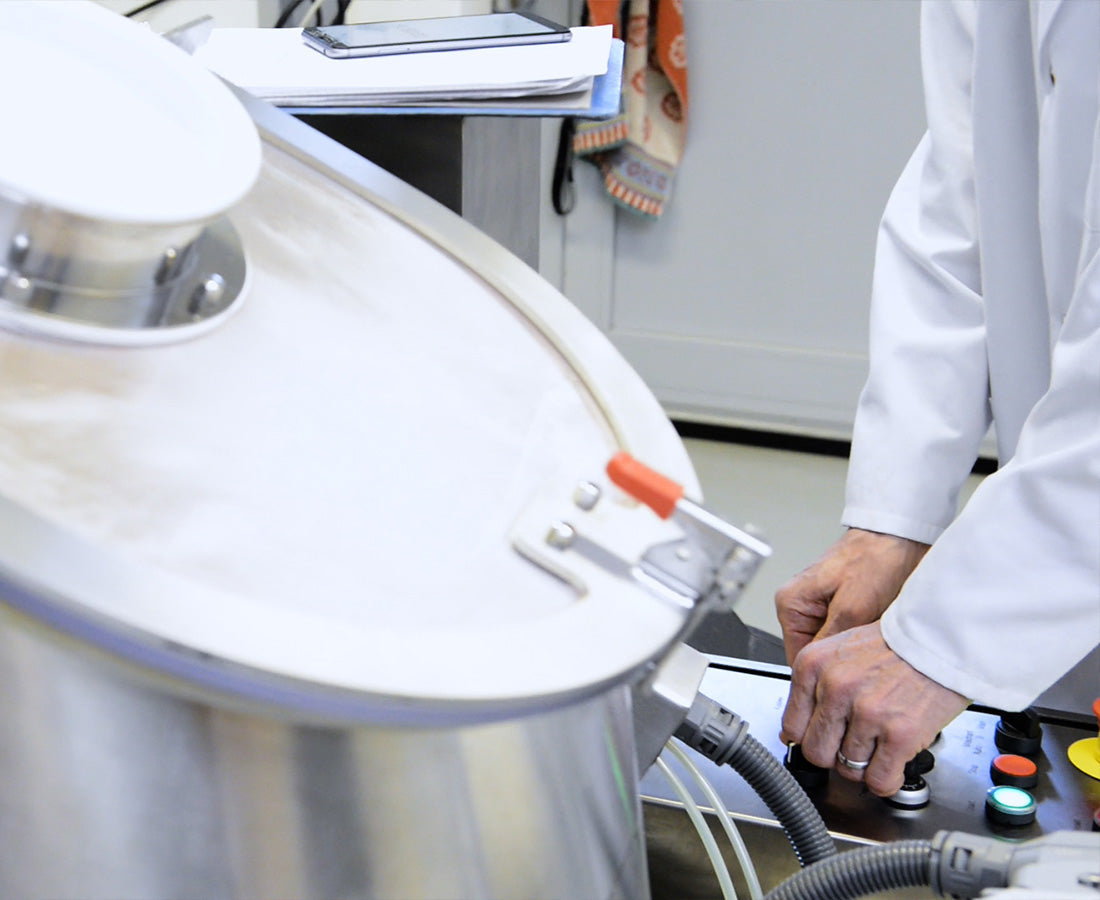
CHF 19.00Die hochwertige Qualität sowie eine starke Innovationskraft machen die Schweizer Marke SPONSER® zum Marktleader auf dem Gebiet der Sportnahrung. Olympiasieger bis hin zum Freizeitsportler vertrauen auf SPONSER®-Produkte. Die wissenschaftlich konzipierten Produkte decken sämtliche Bedürfnisse von Athleten ab und stehen für höchste Funktion und Verträglichkeit. Die Auswahl und Verarbeitung unserer zertifizierten Rohstoffe unterliegen strengsten Qualitätsanforderungen. Tauche ein in unser Sortiment mit über 120 Produkten – neu auch aufzufinden nach Ziel und Sportart für deinen ganz persönlichen Erfolg.
Die hochwertige Qualität sowie eine starke Innovationskraft machen die Schweizer Marke SPONSER® zum Marktleader auf dem Gebiet der Sportnahrung. Olympiasieger bis hin zum Freizeitsportler vertrauen auf SPONSER®-Produkte. Die wissenschaftlich konzipierten Produkte decken sämtliche Bedürfnisse von Athleten ab und stehen für höchste Funktion und Verträglichkeit. Die Auswahl und Verarbeitung unserer zertifizierten Rohstoffe unterliegen strengsten Qualitätsanforderungen. Tauche ein in unser Sortiment mit über 120 Produkten – neu auch aufzufinden nach Ziel und Sportart für deinen ganz persönlichen Erfolg.

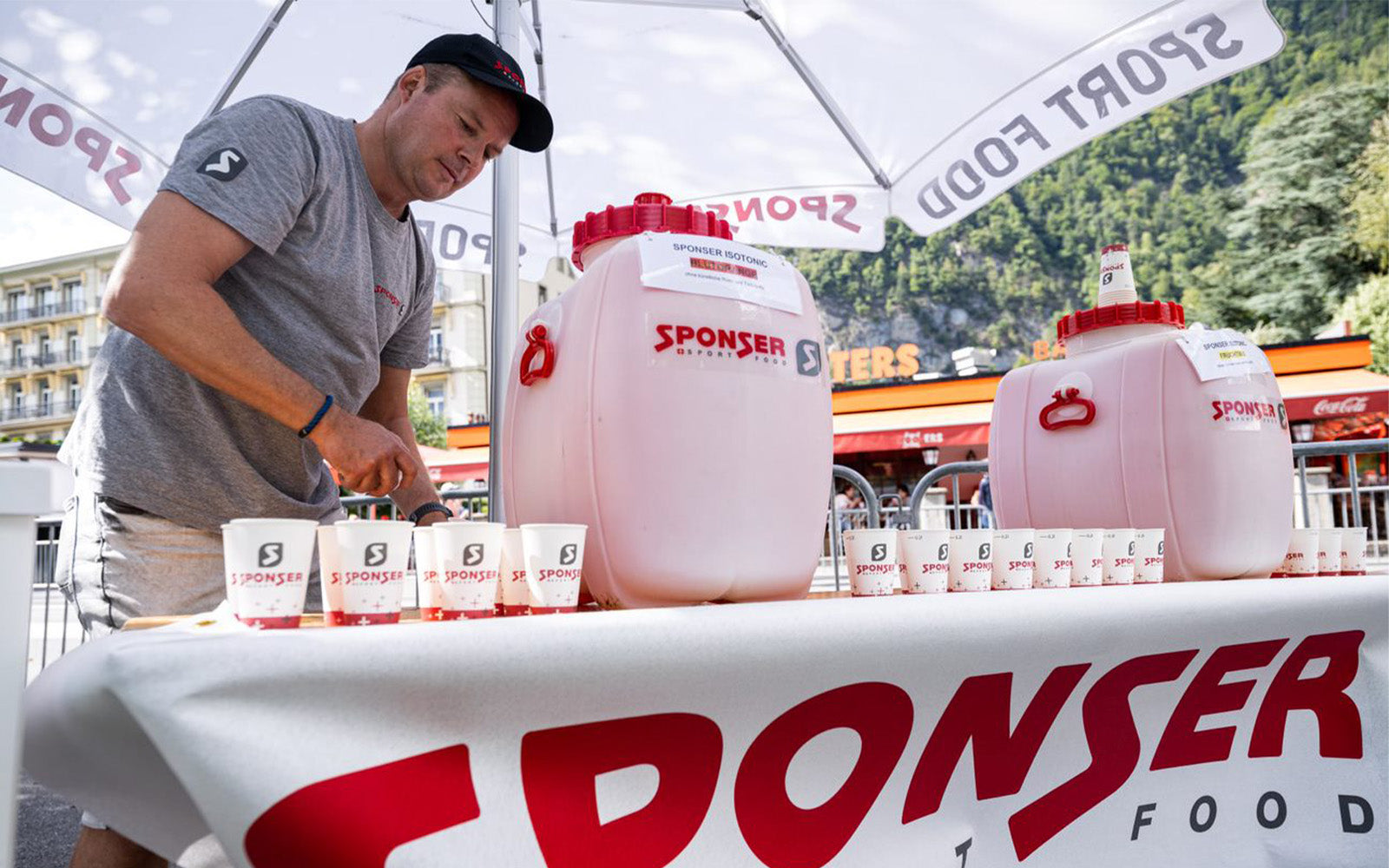
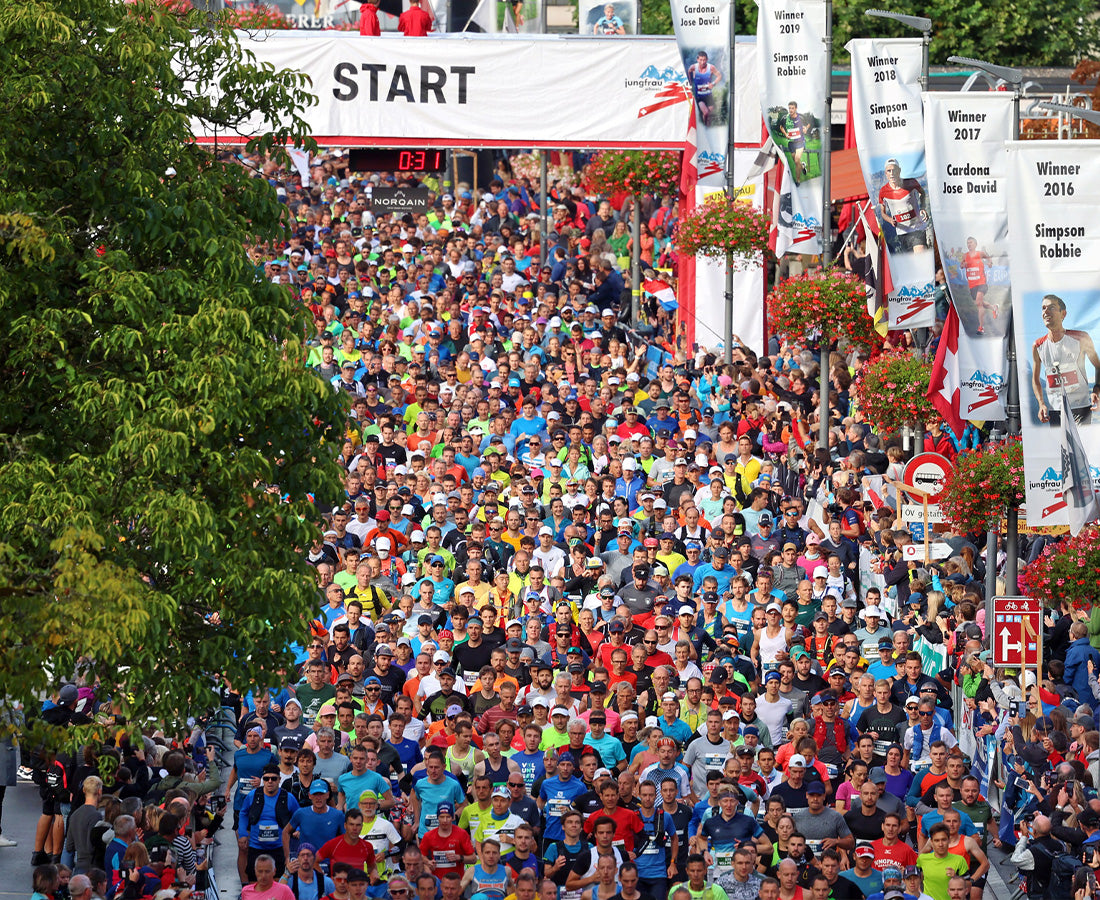
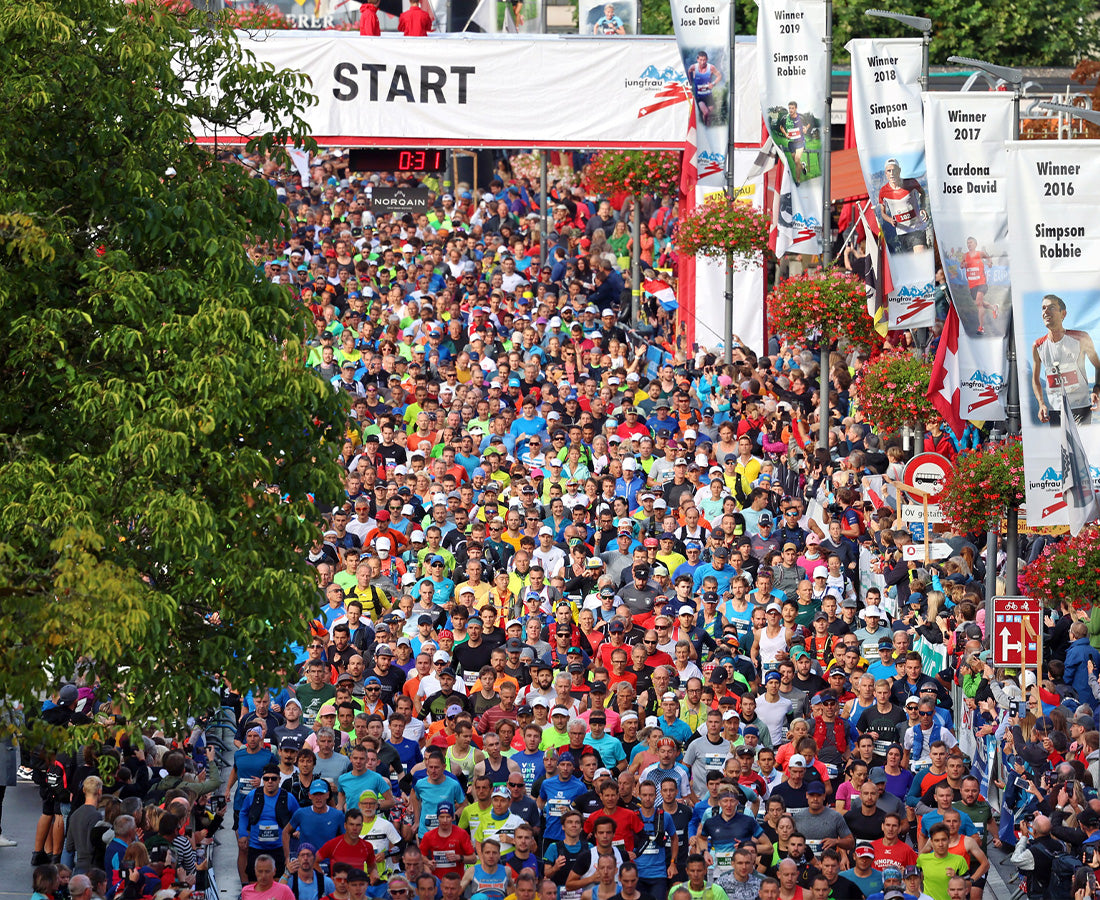
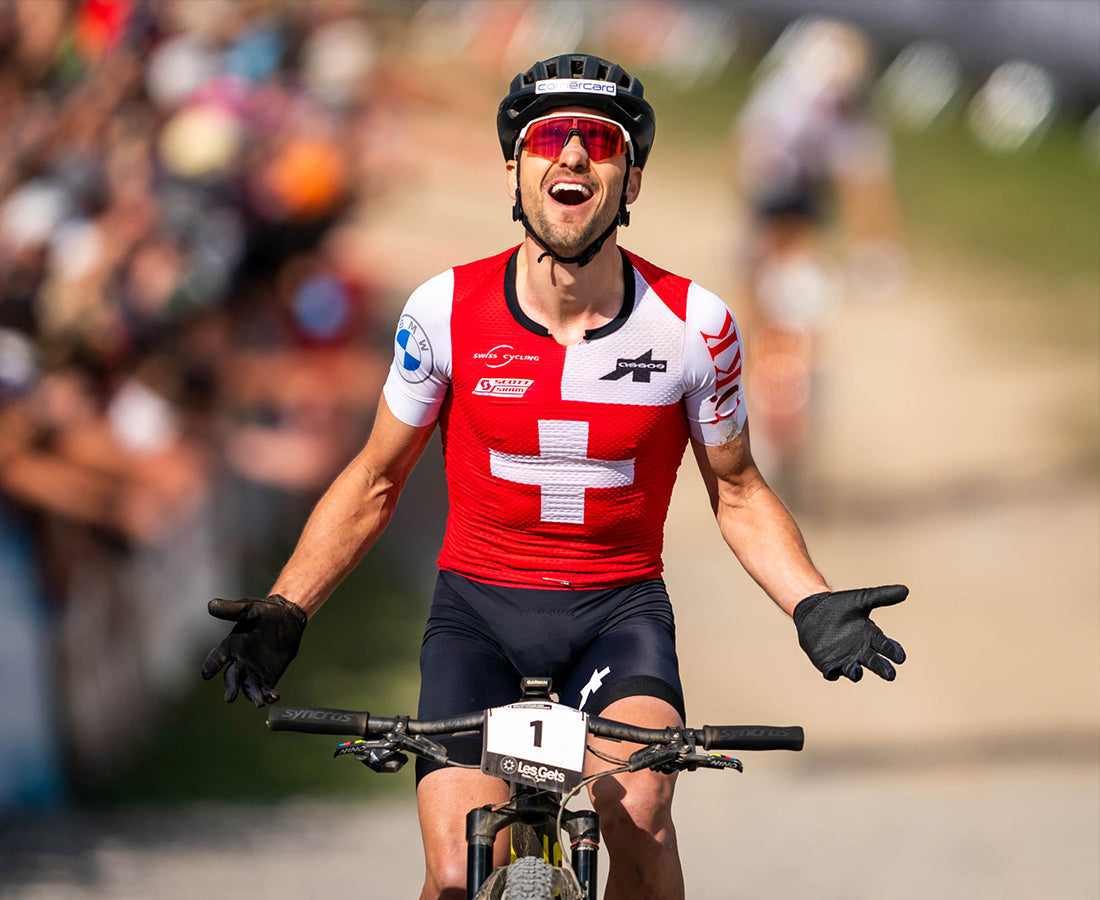
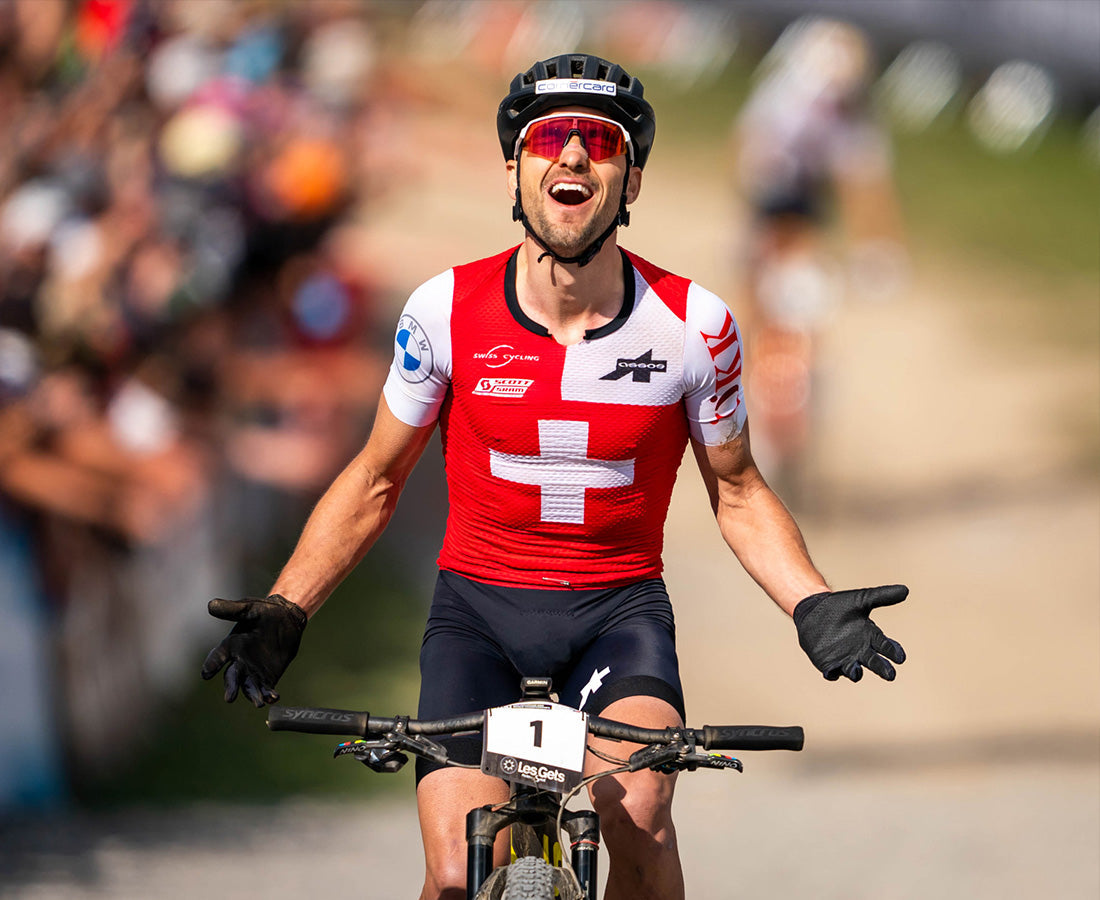
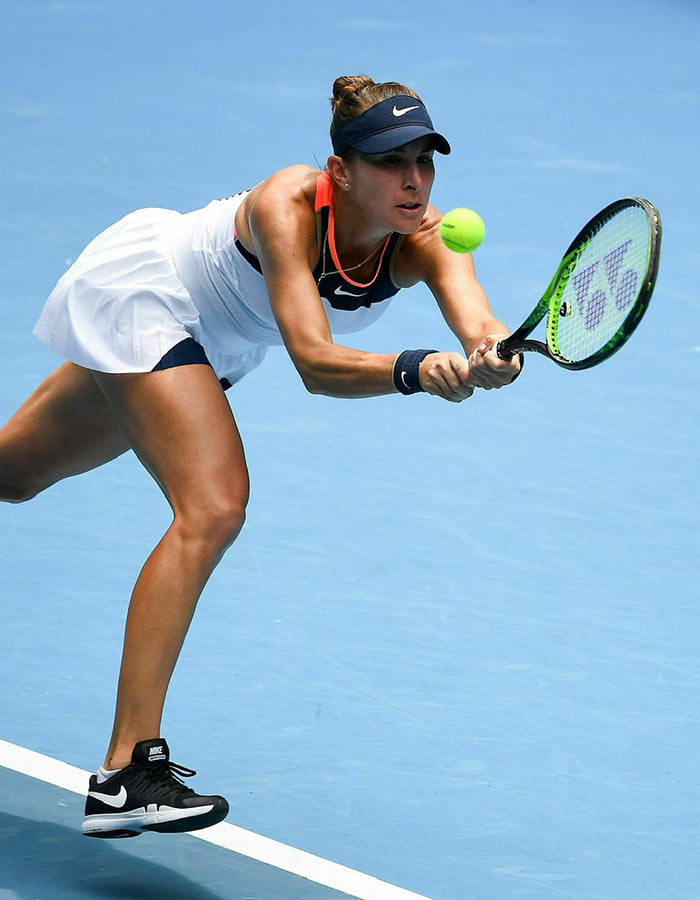
An mehr als 100 Sportanlässen mit jährlich über 100 000 Athleten werden SPONSER®-Produkte nicht nur unter Laborbedingungen, sondern zusätzlich im Praxistest auf Herz und Nieren geprüft. So sind nicht nur unsere Produkte, sondern auch unsere Athleten der Konkurrenz stets einen Schritt voraus.
An mehr als 100 Sportanlässen mit jährlich über 100 000 Athleten werden SPONSER®-Produkte nicht nur unter Laborbedingungen, sondern zusätzlich im Praxistest auf Herz und Nieren geprüft. So sind nicht nur unsere Produkte, sondern auch unsere Athleten der Konkurrenz stets einen Schritt voraus.